Weather Patterns Reshaping Live Odds in European Football Leagues
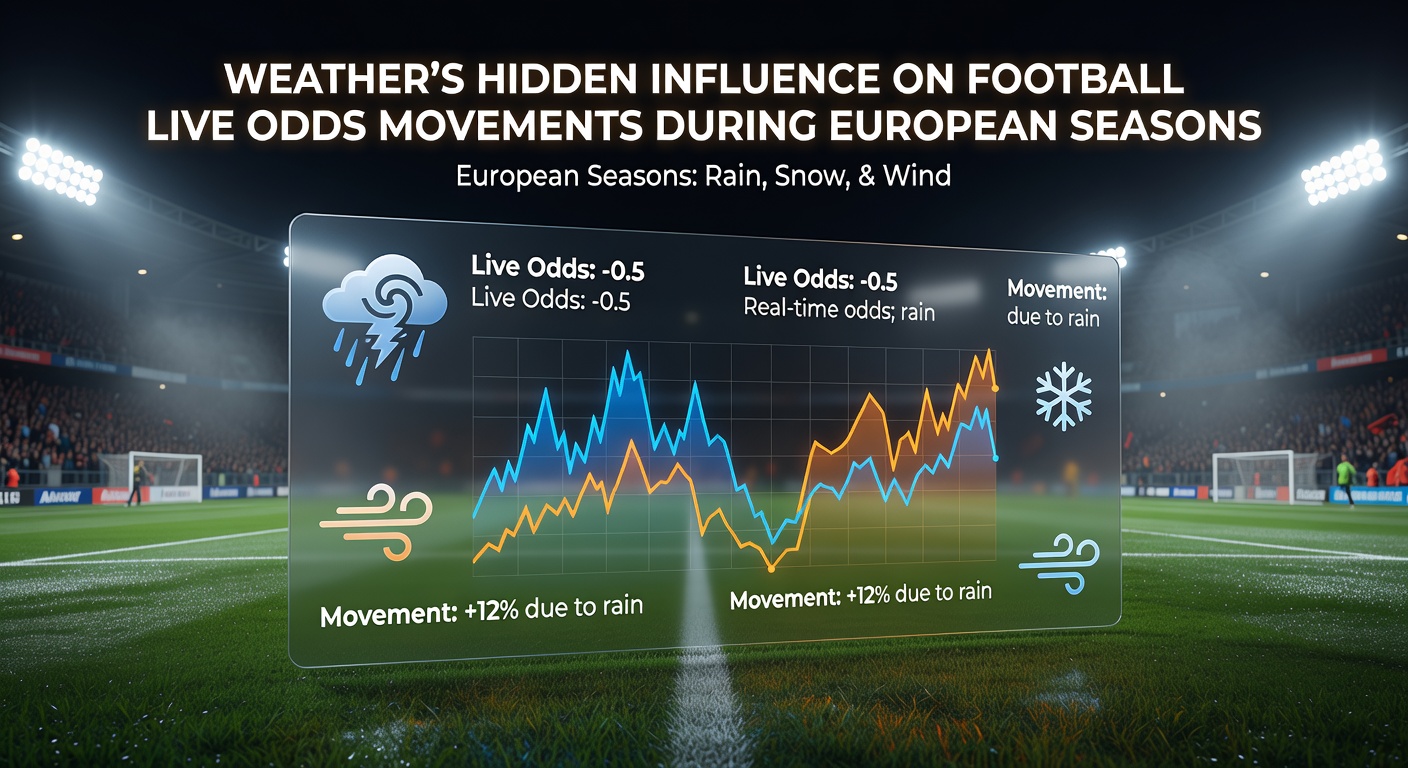
European football seasons unfold against a backdrop of shifting atmospheric conditions that quietly steer live betting markets, and observers note how precipitation, temperature swings, plus wind patterns prompt rapid adjustments in odds during matches across leagues from the Premier League to Serie A and La Liga. Data from recent campaigns show these elements influence goal tallies, player stamina, and tactical shifts in ways that bookmakers and bettors track through real-time feeds.
Precipitation and Its Direct Line to Goal Markets
Rainfall alters pitch traction and ball behavior, which in turn compresses scoring opportunities while increasing the likelihood of set-piece outcomes, and studies from the European Centre for Medium-Range Weather Forecasts indicate that matches played in moderate to heavy rain see average goal counts drop by roughly 15 percent compared with dry conditions. Live odds on over/under totals therefore move swiftly once meteorologists update forecasts mid-game, with operators widening spreads on total goals as teams adapt to slippery surfaces and slower build-up play. Those who monitor pitch inspections often find early signals in the opening 15 minutes, where underdog sides gain slight edges through defensive solidity rather than attacking flair.
Temperature Swings Across Continental Fixtures
Summer heatwaves in southern Europe contrast sharply with cooler northern climates, and researchers have documented how temperatures above 28 degrees Celsius reduce sprint distances by up to 10 percent according to performance tracking systems used by clubs in Spain and Italy. This physical toll prompts oddsmakers to adjust player props and team totals downward during afternoon kickoffs, whereas evening fixtures under milder conditions allow for quicker market corrections toward higher-scoring lines. In May 2026, when several leagues conclude their campaigns amid transitional spring warmth, historical patterns suggest these temperature-driven adjustments will continue to create narrow windows for in-play wagers on substitutions and fatigue-related cards.
Wind as an Overlooked Variable in Set-Piece Markets
Gusts exceeding 30 kilometers per hour disrupt long passes and aerial duels, which data from league-wide analytics platforms reveal leads to elevated corner counts and altered expected-goal values in exposed stadiums. Live betting desks respond by shifting odds on corner handicaps within minutes of wind reports from on-site sensors, and teams facing headwinds often see their attacking odds lengthen while defensive lines tighten. One analysis of Bundesliga matches from 2023 to 2025 highlighted how crosswind scenarios produced measurable spikes in throw-in volume, a detail that sharp bettors incorporate when scanning for micro-movements in set-piece pricing.

Seasonal Patterns and Regional League Differences
Winter months bring persistent low-pressure systems across northern Europe that coincide with higher draw probabilities, and figures released by the European Environment Agency show elevated moisture levels correlating with fewer open-play goals in December through February windows. Southern leagues experience more variable spring and autumn showers that fragment match rhythms, prompting oddsmakers to recalibrate half-time results and anytime goalscorer lines more aggressively. Observers note that these recurring cycles create predictable rhythms in live markets, where early-season fixtures under stable high-pressure systems tend to favor over totals while late-season fatigue compounds with variable weather to produce tighter spreads.
Integrating Weather Data into Modern Betting Infrastructure
Betting platforms now integrate feeds from national meteorological services across multiple countries, allowing algorithms to recalculate probabilities as forecasts update, and this fusion has shortened the lag between weather events and odds revisions to under two minutes in many cases. Industry reports from the American Gaming Association highlight how European operators lead in deploying such layered data streams, which in turn generate more granular live markets on metrics like shots on target and pass completion rates under adverse conditions. Those monitoring these systems often identify patterns where sudden downpours trigger brief surges in draw odds before stabilizing once teams settle into adjusted formations.
Conclusion
Weather continues to embed itself into the mechanics of European football betting by reshaping match statistics that underpin live odds movements, and the integration of meteorological insights with performance data offers a clearer view of how atmospheric variables translate into market fluctuations throughout the season. As leagues progress toward May 2026 fixtures, these influences remain embedded in the daily rhythm of in-play wagering across the continent.