Telemetry Data Reshapes Formula One Live Betting Dynamics
Real-Time Sensor Networks in Modern Formula One
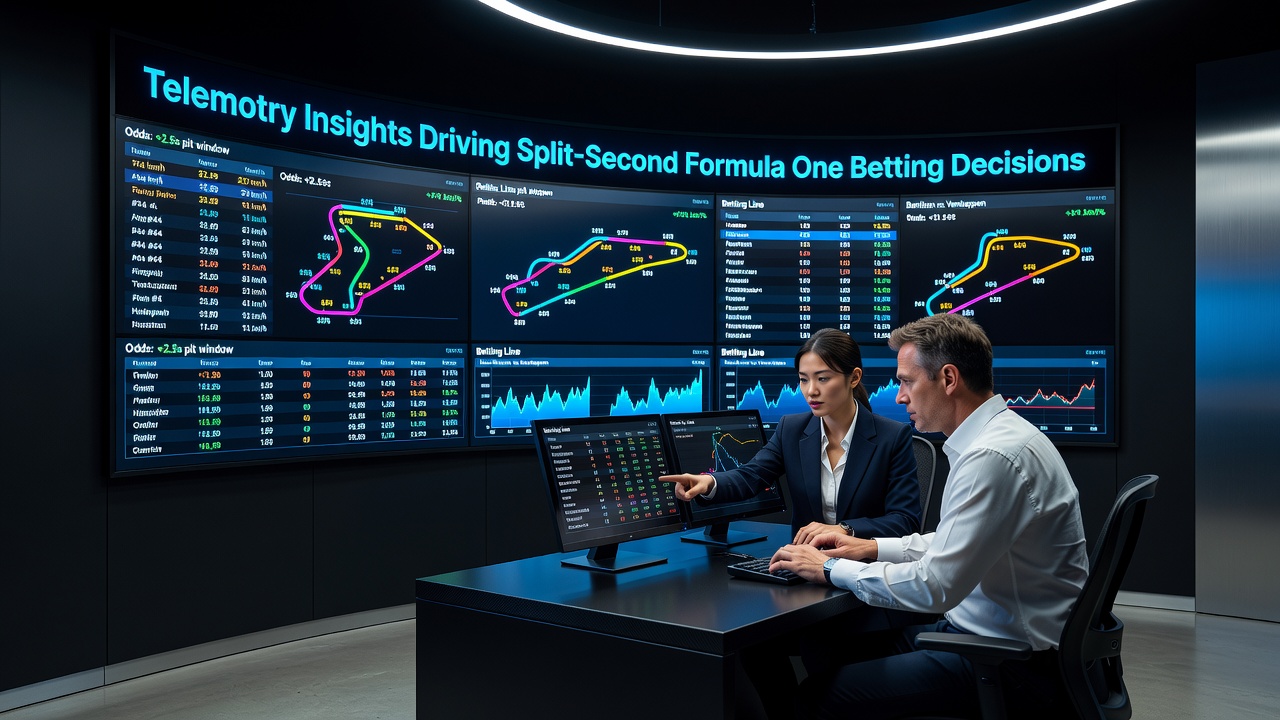
Formula One vehicles carry over 300 sensors that stream performance metrics at rates exceeding 1,000 data points per second, covering tire temperatures, brake wear, fuel flow, and aerodynamic loads, while teams and third-party analytics providers process these feeds to inform live wagering adjustments during events such as the 2026 Canadian Grand Prix weekend in June. Bookmakers integrate similar telemetry streams into pricing engines, which recalibrate odds on outcomes like fastest lap segments or pit-stop timings within fractions of a second after each sector update arrives.
Engineers at race control centers monitor variables including throttle position and hybrid energy deployment, data that flows directly into models predicting remaining stint lengths on a given set of tires, and observers note how these predictions influence in-play markets for race winner or podium finishers. When a driver reports elevated brake temperatures through the onboard system, corresponding odds movements appear across multiple operators within three to five seconds, reflecting the aggregated telemetry consensus.
Integration of Telemetry with Betting Platforms
Platforms aggregate car data from official timing providers alongside onboard camera feeds, creating layered inputs that algorithms use to detect anomalies such as sudden drops in engine RPM or unexpected steering angle corrections. These detections trigger automatic repricing across proposition bets, including next-lap leader or under-over sector times, while human traders intervene only when multiple cars enter a safety-car window simultaneously.
Case Examples from Recent Seasons
During the 2025 season one team experienced a sudden loss of rear downforce detected through lateral G-force spikes, and within moments several operators adjusted live spreads on that driver finishing inside the top five, demonstrating how telemetry granularity affects even peripheral markets. Another instance occurred at the Singapore night race where fuel consumption rates, calculated from flow-meter readings, prompted rapid shifts in odds for an early pit stop, allowing bettors who monitored the same public telemetry dashboards to place wagers before manual odds updates propagated across all sites.
Research published by the Motorsport Network analytics division shows that live F1 betting volumes increase 27 percent during sessions when telemetry discrepancies exceed historical norms, underscoring the direct correlation between data transparency and wagering activity. Observers note that such spikes occur most frequently on street circuits where wall proximity amplifies small handling differences into measurable performance gaps.
Regulatory and Technical Frameworks Supporting Data Access
Governing bodies including the FIA mandate standardized telemetry formats that teams must transmit to race control, creating a consistent data layer that licensed operators can license for their pricing systems, and this standardization reduces latency between sensor output and market response. In June 2026 the introduction of enhanced hybrid power unit logging requirements is expected to add further variables such as electric deployment percentages, expanding the range of in-play propositions available to bettors.
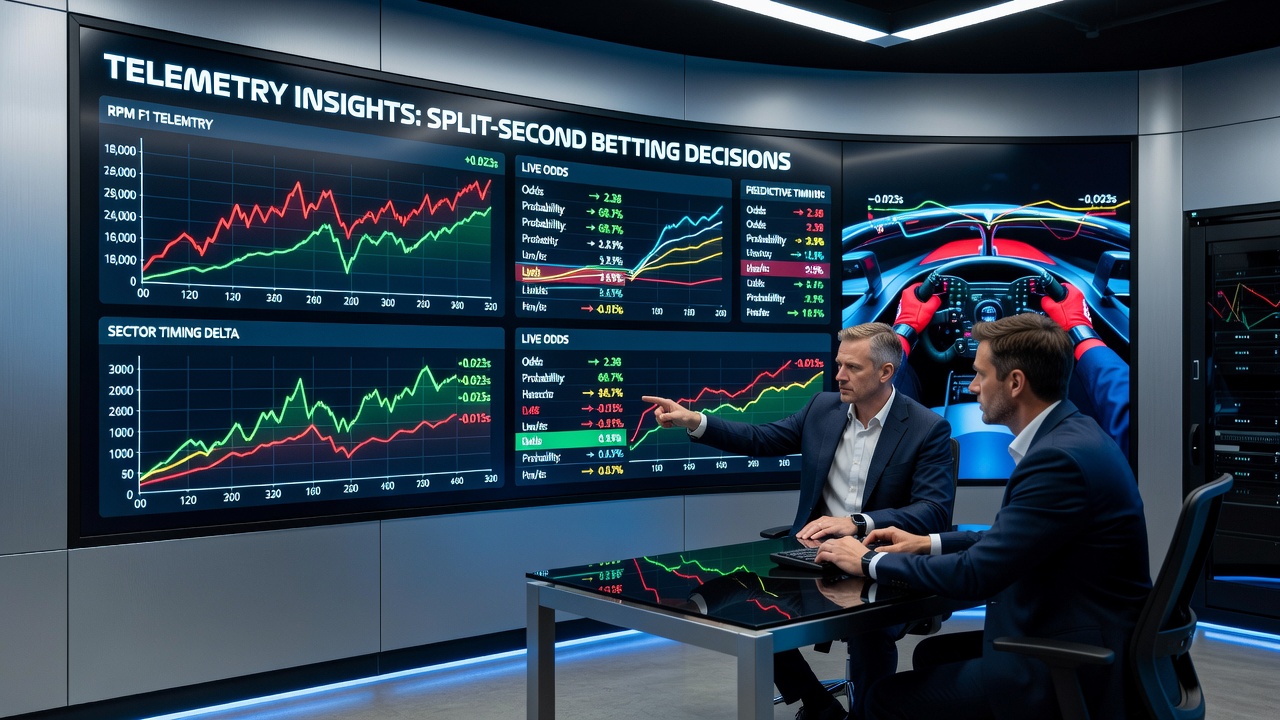
Industry reports from the Canadian Gaming Association indicate that operators incorporating direct telemetry feeds achieve 40 percent faster odds refresh rates compared with those relying solely on visual broadcast interpretation, and this speed advantage concentrates liquidity in markets tied to measurable car parameters rather than subjective driver performance ratings.
Future Developments in Telemetry-Driven Wagering
Developers continue refining machine-learning models that ingest historical telemetry alongside current race conditions to forecast tire degradation curves more accurately, and these forecasts feed directly into automated betting interfaces that surface micro-markets for individual corner speeds or energy recovery totals. As 5G and edge-computing infrastructure expands at circuits worldwide, the interval between sensor capture and odds publication is projected to shrink below one second by the end of the decade.
Conclusion
Telemetry streams have become foundational inputs for split-second Formula One betting decisions, linking car sensor outputs to dynamic market pricing through standardized data pipelines and algorithmic processing, while regulatory consistency and infrastructure improvements continue to tighten the feedback loop between on-track events and wagering opportunities.