Sensor Data From Stadiums Fuels Precision Betting in Basketball's Late-Game Scenarios
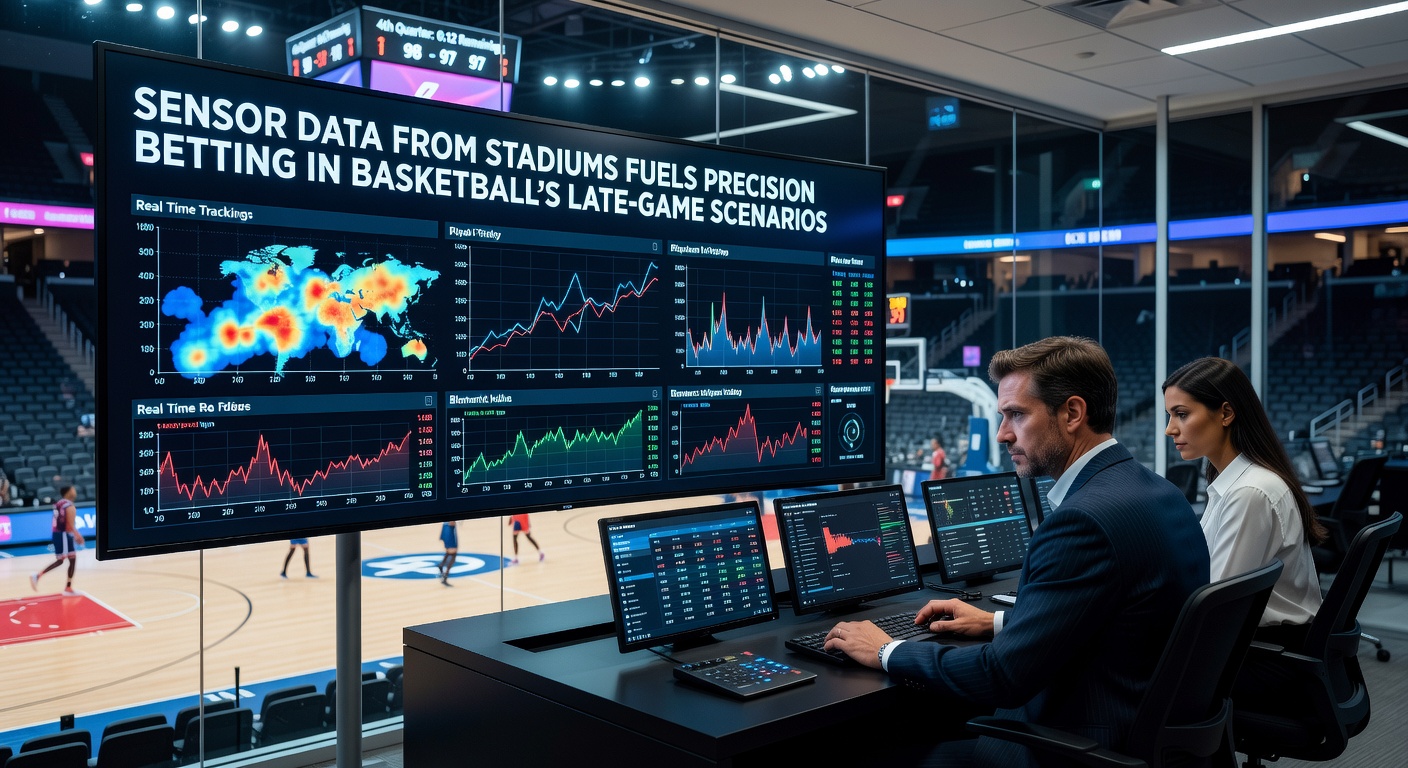
Stadium Sensors Capture Real-Time Player Metrics
Stadiums equipped with advanced sensor arrays now track player biometrics, movement patterns, and fatigue levels throughout basketball contests, and these streams feed directly into betting platforms that adjust odds on late-game outcomes. Data from wearables and court-embedded devices reveal heart rate spikes, sprint distances, and positioning changes during the final minutes, while operators integrate this information to refine in-play wagers on points scored, fouls committed, and timeouts called. Observers note that such granularity allows markets to respond within seconds rather than minutes, and teams deploying the technology report consistent updates to prop bets that focus on individual player contributions under pressure.
Research from sports analytics programs shows sensor fusion techniques combine optical tracking with accelerometer readings to produce accurate fatigue indices, and these indices correlate with reduced shooting percentages in overtime periods. Betting exchanges incorporate the resulting models so that odds on a star player's final-quarter points shift when sensors detect elevated lactate thresholds, and this process occurs without human intervention in many cases. Figures from North American sports technology providers indicate adoption rates climbed steadily through early 2026, particularly in venues hosting professional leagues where broadcast partners already stream supplementary data feeds.
Late-Game Scenarios Benefit from Granular Tracking
Late-game basketball hinges on split-second decisions, and sensor networks supply the metrics that determine whether a player maintains defensive positioning or commits a costly foul. When a contest reaches the final two minutes, platforms adjust spreads and totals based on real-time velocity data that signals whether guards are conserving energy or pressing forward, and bettors receive updated lines that reflect these physical states. Studies conducted at universities specializing in exercise physiology demonstrate that heart-rate variability increases sharply after 35 minutes of play, creating measurable edges for markets that wager on free-throw accuracy or assist totals in those windows.
One documented case involved a conference tournament where embedded court sensors flagged a power forward's reduced vertical leap during the closing stretch, and odds on that player's rebounding prop moved within three seconds of the update. Operators in regulated markets across multiple U.S. states and Australian jurisdictions have begun licensing similar feeds, and the result is tighter spreads that mirror on-court conditions more closely than traditional statistical models alone can achieve. Data indicates the volume of late-game wagers processed through these channels rose noticeably during the 2025-2026 season, especially around playoff qualifiers where margins remain narrow.
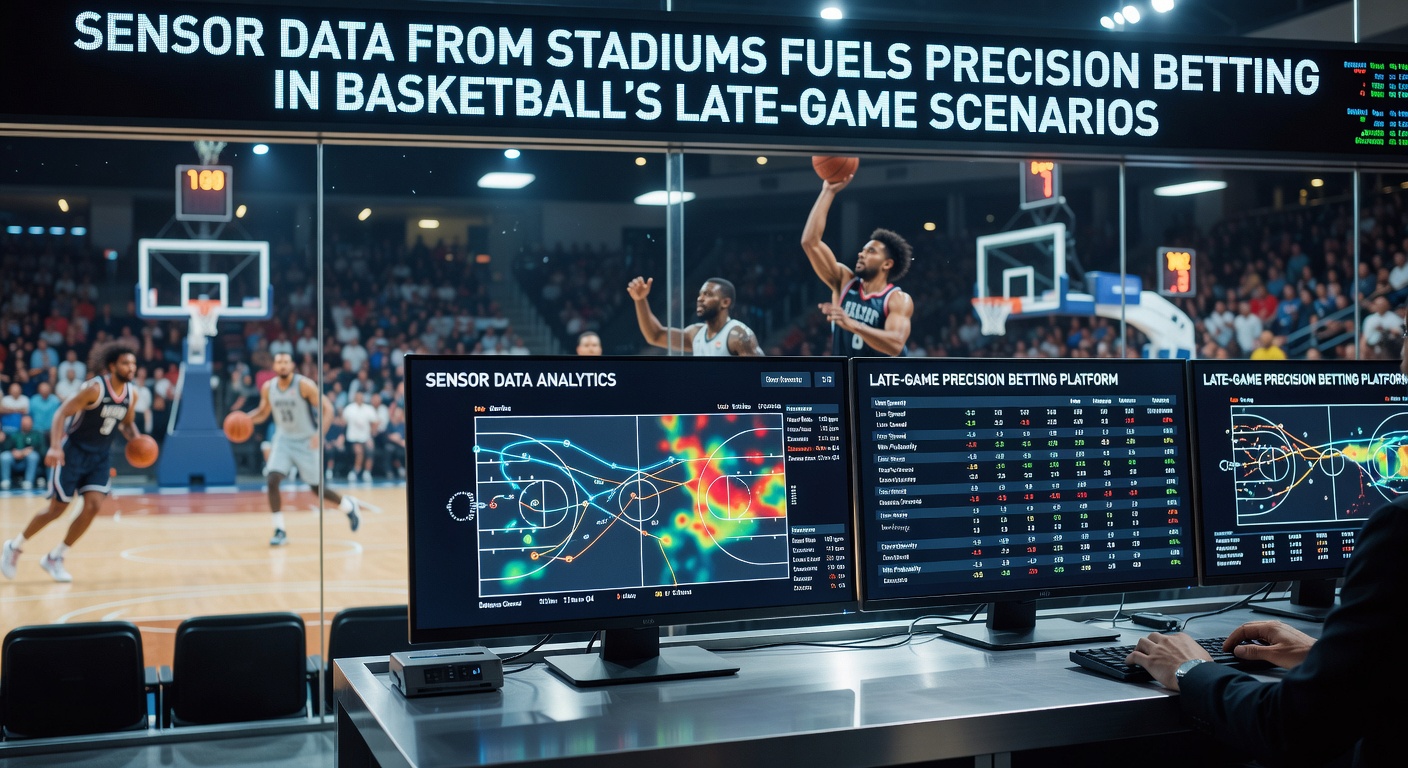
Integration with Betting Platforms Accelerates Market Responsiveness
Betting platforms receive sensor packets through secure APIs that anonymize individual identifiers while preserving aggregate performance signals, and this architecture complies with data-protection standards enforced by bodies such as the Nevada Gaming Control Board. Algorithms then map the incoming streams onto existing probability engines, so that a detected drop in a team's average movement speed during a timeout directly influences the moneyline for the remaining possessions. Industry reports compiled by the European Gaming and Betting Association highlight similar deployments in venues across continental Europe, where regulatory frameworks permit real-time data sharing between stadium operators and licensed bookmakers.
What's interesting is how these feeds interact with traditional box-score inputs: sensors supply context that raw points or rebounds lack, and the combined dataset sharpens forecasts for scenarios such as clutch free-throw percentages or defensive stop rates. Academic papers published in the Journal of Sports Analytics describe validation trials in which sensor-augmented models outperformed conventional statistical projections by measurable margins during simulated end-of-game sequences. Observers note that the same infrastructure also supports responsible-gaming tools, because platforms can flag unusual betting patterns that coincide with detected player fatigue anomalies and trigger automated alerts.
Regulatory and Technical Considerations Shape Deployment
Regulators in jurisdictions outside the United Kingdom require explicit audit trails for any data stream that influences odds, and sensor providers therefore timestamp every packet before it reaches the betting server. Technical standards developed by the Sports Tech Research Group at a leading Canadian institution specify latency thresholds under 500 milliseconds for critical metrics, ensuring markets remain fair while still reacting to on-court developments. Those who've examined deployment logs report that venues hosting NBA summer league events in June 2026 tested upgraded arrays that added gyroscopic data for improved foul-detection accuracy, and early results showed reduced disputes over charge calls that affect related prop markets.
Partnerships between league technology departments and third-party analytics firms continue to standardize data formats, and this convergence reduces friction when multiple operators subscribe to the same feed. Evidence from pilot programs indicates that bettors using mobile applications receive the refined odds almost simultaneously with arena staff, creating a level informational field once restricted to professional syndicates. Yet the expansion also prompts ongoing discussions about data ownership, because the raw biometric readings originate from players whose performance directly determines market movements.
Conclusion
Sensor networks embedded in modern basketball arenas now supply the continuous streams that enable precision adjustments in late-game betting markets. Data from these systems refines odds on fouls, points, and individual contributions by revealing physical states that traditional statistics overlook, and operators across regulated regions incorporate the information through established compliance channels. Research institutions and industry associations document measurable improvements in forecast accuracy, while technical standards maintain the speed and integrity required for fair play. As venues continue to upgrade arrays ahead of upcoming seasons, the role of real-time biometric and positional data in shaping basketball wagers is expected to expand further.