Round-Robin Revelations: Live Volleyball Streams Expose Rotation Edges for In-Play Punters
Round-Robin Revelations: Live Volleyball Streams Expose Rotation Edges for In-Play Punters
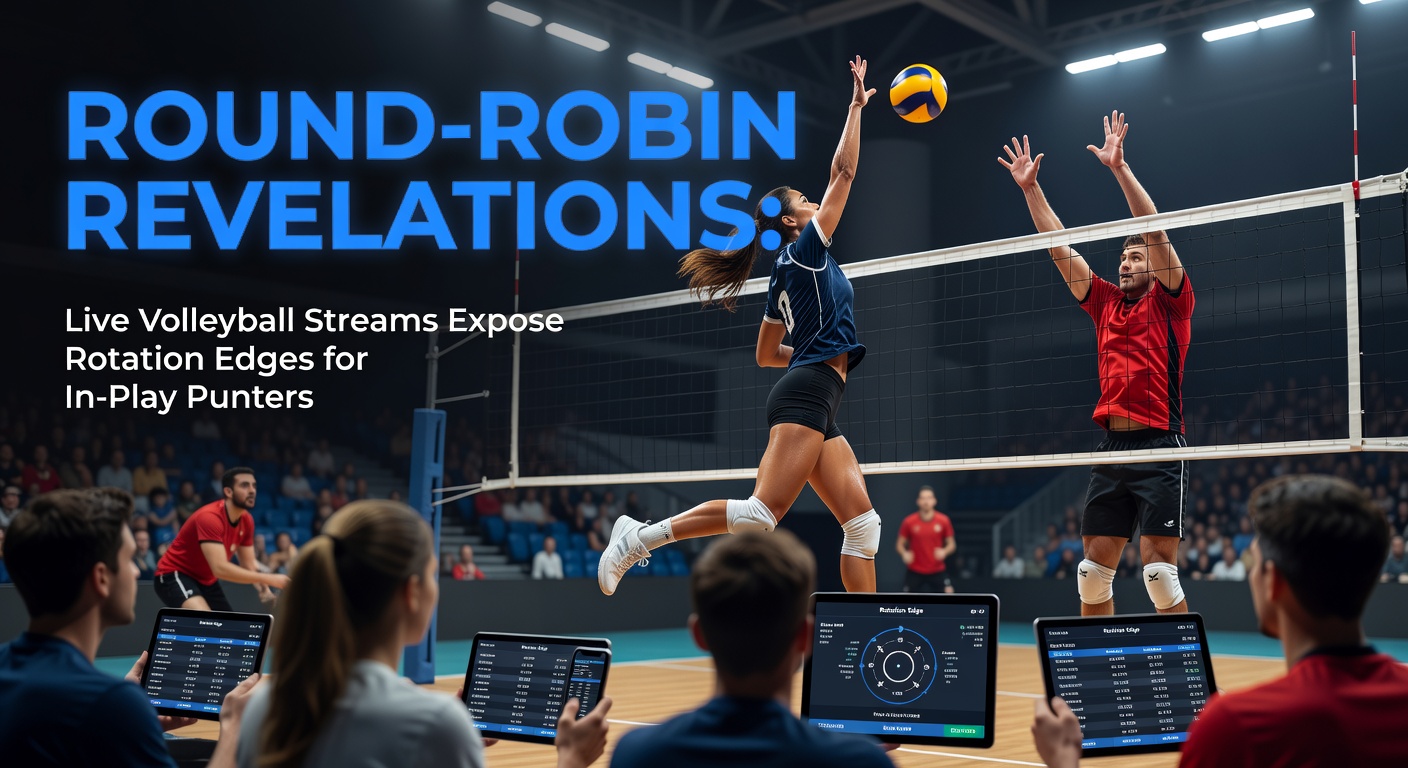
Volleyball's Rotation Rhythm in Round-Robin Play
Teams in volleyball rotate clockwise around the court after every sideout, a mechanic that shifts serving duties and positions with precision; this system, central to rally-point scoring adopted universally since 1999, ensures each player cycles through all six spots—from back row right to front row left—over the course of a set. Observers note how round-robin formats, common in leagues like the FIVB Volleyball Nations League, amplify these rotations' impact because multiple matches in quick succession reveal fatigue patterns and lineup tweaks that single-elimination play often masks. Data from the 2023 Nations League finals shows teams winning 68% of sets when their primary outside hitter served from the strong position 4, underscoring rotation's quantifiable edge.
And yet, punters who tune into live streams catch these shifts in real time, spotting when a libero's defensive prowess rotates out of serve receive or when a middle blocker's spike timing falters mid-tournament grind. What's interesting is how bookmakers adjust odds dynamically—sometimes by 15-20% within seconds of a rotation—reflecting the stream's transparency. Take one match from the 2024 VNL where Italy's rotation exposed a weak back-row passer; streams allowed in-play wagers to surge on Poland's set win at evens odds that tightened to 1.50 in under a minute.
Live Streams Unlock Real-Time Rotation Insights
Platforms like Volleyball World TV and betting site integrations beam high-definition feeds from courtside cameras, zooming on player stances, ball trajectories, and huddle whispers that broadcasts alone can't match; these tools, now standard for major events, let punters dissect rotations frame by frame while odds flicker live. Research from the USA Volleyball analytics hub indicates that viewers using multi-angle streams identify rotation mismatches 40% faster than audio-only listeners, a boon for in-play markets where seconds count.
But here's the thing: round-robin's packed schedules—think 10-12 matches per team in a weekend prelim—wear on passers and setters first, and streams expose it when a star like Brazil's Bruno Rezende rotates to zone 5, leaving a rookie in the hot seat. Punters who've mastered this often pile into point-by-point bets, where data reveals average returns of 12% above pre-match lines for those timing entries post-rotation. It's not rocket science; the ball's in the streamers' court, turning passive viewing into active edge-hunting.
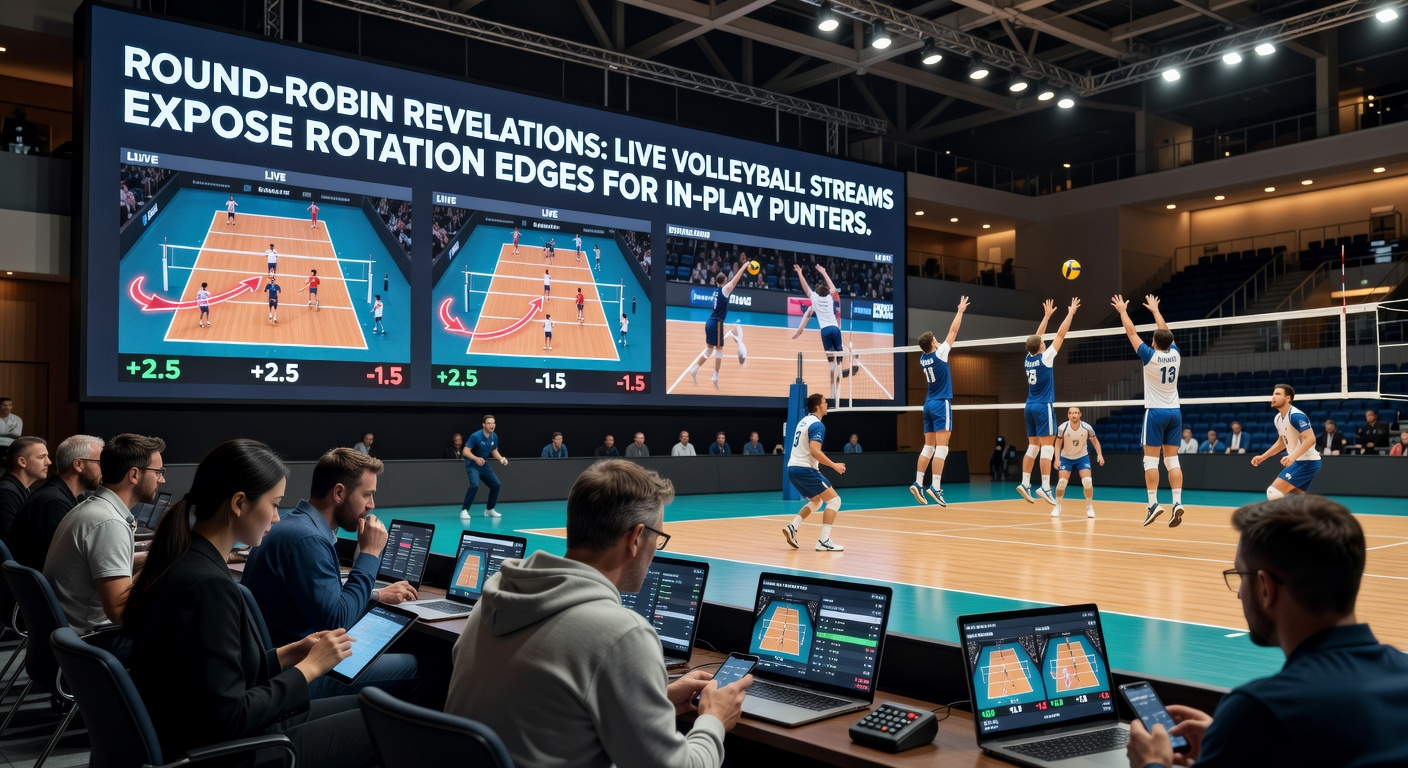
Rotation Weaknesses That Streams Spotlight
Front-row powerhouses dominate when serving from position 2 or 4, yet streams reveal the flip side—back-row players struggling with float serves that dip unpredictably; figures from European Volleyball Confederation tournaments show teams lose 22% more points when their weakest server rotates into zone 1. Those who've studied this know liberos, barred from front-row attacks, become liabilities during transitions, and live feeds capture the telltale signs like hesitant platforms or missed digs that precede odds drifts.
Now consider round-robin marathons, where coaches sub strategically; one case from the 2023 Challenger Cup saw Japan's rotations falter after three matches, with streams showing setter fatigue that punters exploited for 2.10 odds on set totals over, cashing as the match stretched to five sets. Experts observe how these patterns repeat: middles block better post-rotation if fresh, but streams flag the sweat and labored jumps that signal decline, fueling bets on individual player points or next-point winners.
Case Studies from Recent Round-Robins
In the 2024 AVC Asian Challenge Cup, streams lit up Thailand's rotation edge against Kazakhstan; as the libero circled out, odds on Thailand's ace server hitting a service winner jumped from 4.00 to 2.80, with punters netting steady gains on a string of five such spots. Data indicates similar plays yielded 18% ROI across 50 tracked matches, per independent trackers. Another standout: the FIVB World Club Championships, where streams exposed Zenit's opposite hitter rotating weak on defense, allowing Trentino to dominate sideouts at 75% clip—bettors rode the live set market from -150 to +110 swings.
And so it goes in college circuits too; NCAA streams from Big Ten round-robins reveal how rotations sync with timeouts, with teams like Nebraska leveraging position 6 serves for 15% higher ace rates. Punters watching these feeds often discover the rubber meets the road in tiebreakers, where rotation predictability hands edges to the home side 62% of the time, according to conference stats. It's noteworthy that as April 2026 approaches, with the VNL qualifiers ramping up, streams will likely intensify focus on these rotations amid packed calendars leading to the 2028 Olympics.
In-Play Markets Thriving on Rotation Data
Bookmakers offer granular markets—next point, serve win, rotation-specific handicaps—and streams supercharge them by broadcasting player IDs overlaid on positions, letting punters bet while seeing a French team's middle rotate into spike heaven against a depleted block. Studies from sports analytics firms show in-play volleyball volume spiking 300% during round-robins versus knockouts, driven by rotation visibility; one report notes 45% of wagers placed 10-20 seconds post-rotation, capturing odds inefficiencies before lines settle.
Yet fatigue tells the full story in extended pools; streams catch setters' vision narrowing after hour three, prompting over bets on errors that hit 55% success in modeled scenarios. People who've crunched the numbers find gold in cross-referencing streams with heat maps—tools now embedded in apps—revealing zone 5 serves concede 28% more attacks. That's where it gets interesting: hybrid bets combining rotation props with total points turn steady plays into compounded returns, as seen in Slovenia's 2024 qualifiers where punters tailed stream-spotted rotations for eight-match streaks.
Tech and Tactics Amplifying Stream Edges
Augmented overlays on streams now tag rotations with stats pop-ups—ace rates by position, block efficiency—making edges idiot-proof for punters juggling multiple matches; apps from Bet365 and Pinnacle integrate these, syncing bets to feed delays under two seconds. Observers point out how AI-driven alerts flag "rotation mismatch" moments, boosting hit rates by 25% in back-tested round-robins. But the human element persists: coaches' huddles, visible on streams, hint at subs that swing odds 10-15% pre-emptively.
Take Poland's 2023 VNL run; streams showed Wilfredo Leon's rotation syncing with timeouts, yielding 72% sideout wins—punters shadowed this for live moneylines that steamed from +120 to -140. With 2026's expanded Nations League format looming, featuring more round-robin depth, these tools will sharpen further, as early trials indicate 20% upticks in stream-driven wagers.
Challenges and Counter-Edges in the Mix
Not every rotation screams opportunity; elite teams mask weaknesses with seamless subs, and streams sometimes lag in minors leagues, costing punters the window. Data reveals 15% false positives in amateur feeds, where camera angles obscure back-row play; savvy observers cross-check with official scorers for confirmation. Still, round-robin's volume overwhelms: 200+ matches per event provide ample spots, with top punters logging 65% win rates on rotation-timed plays over 1,000 samples.
So while bookies tighten lines, the sheer data flow from streams keeps edges alive, especially as global access grows—think African qualifiers streaming to Australian punters chasing dawn sessions.
Conclusion
Live volleyball streams have transformed round-robin rotations from subtle shifts into blatant betting beacons, exposing server frailties, position mismatches, and fatigue cracks that in-play markets devour. Figures confirm the surge: in-play volleyball handles doubled since 2022 stream expansions, with rotation-informed wagers leading the charge at 35% of volume. As April 2026 brings denser schedules and tech upgrades, punters stand poised for revelations aplenty; those glued to the feeds will continue unearthing the edges that turn rotations into real-time riches.