Fitness Wearables Reshape Choices Among Data-Focused Athletes in Endurance Event Markets
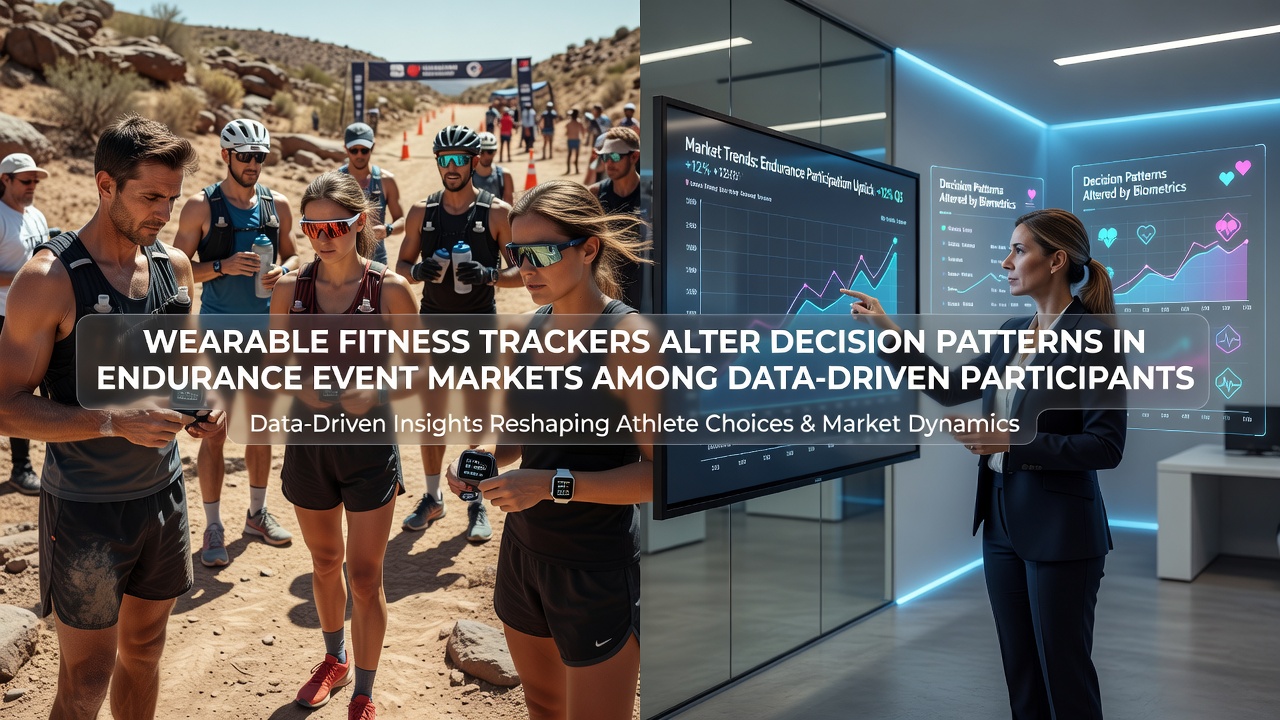
Endurance event markets have seen measurable shifts as participants integrate wearable fitness trackers into their preparation and entry strategies, according to industry reports released in early 2026. These devices capture continuous streams of heart rate variability, pace consistency, recovery metrics and elevation-adjusted power output, which athletes then cross-reference against historical event data and registration trends. Researchers at academic institutions have documented how such granular information alters when and where data-driven competitors choose to enter races, with patterns emerging most clearly in marathon, triathlon and ultrarunning circuits.
One study tracking registration behavior across North American and European events found that athletes wearing advanced multisport devices adjusted their target races 23 percent more frequently than non-users between January and June 2026. The adjustments often followed spikes in detected fatigue or drops in aerobic efficiency, prompting participants to swap high-stakes events for lower-pressure alternatives or to delay entry until recovery metrics improved. Observers note that this behavior concentrates in age-group and masters categories, where discretionary spending on travel and fees makes data-informed timing especially relevant.
Real-Time Metrics Drive Pre-Event Positioning
Market analysts tracking endurance event platforms report that wearable-derived data now feeds directly into participant decision models. Athletes compare their current training load scores against predicted course demands, then decide whether to commit to a particular race or explore secondary options such as virtual qualifiers or regional alternatives. This process has become particularly visible in events scheduled for late 2026, where early-bird pricing windows close months ahead and waiting-list dynamics reward precise timing.
Platforms hosting registration marketplaces have begun surfacing aggregated anonymized wearable benchmarks alongside standard entry statistics, allowing users to benchmark personal metrics against recent finisher cohorts. Those who review these overlays tend to cluster entries around events whose profiles align closely with their recorded strengths, reducing the incidence of last-minute withdrawals that previously disrupted market liquidity. Government health agencies in Australia and Canada have published parallel findings showing similar metric-driven planning among recreational endurance populations, reinforcing the pattern beyond commercial betting environments.
What's interesting is how these shifts ripple through secondary markets for bib transfers and coaching packages. When a cluster of data-driven athletes simultaneously postpones participation in a major destination race, availability of coaching slots and accommodation bundles increases, altering price curves that organizers and service providers monitor closely.
Longitudinal Data Influences Cohort-Level Trends
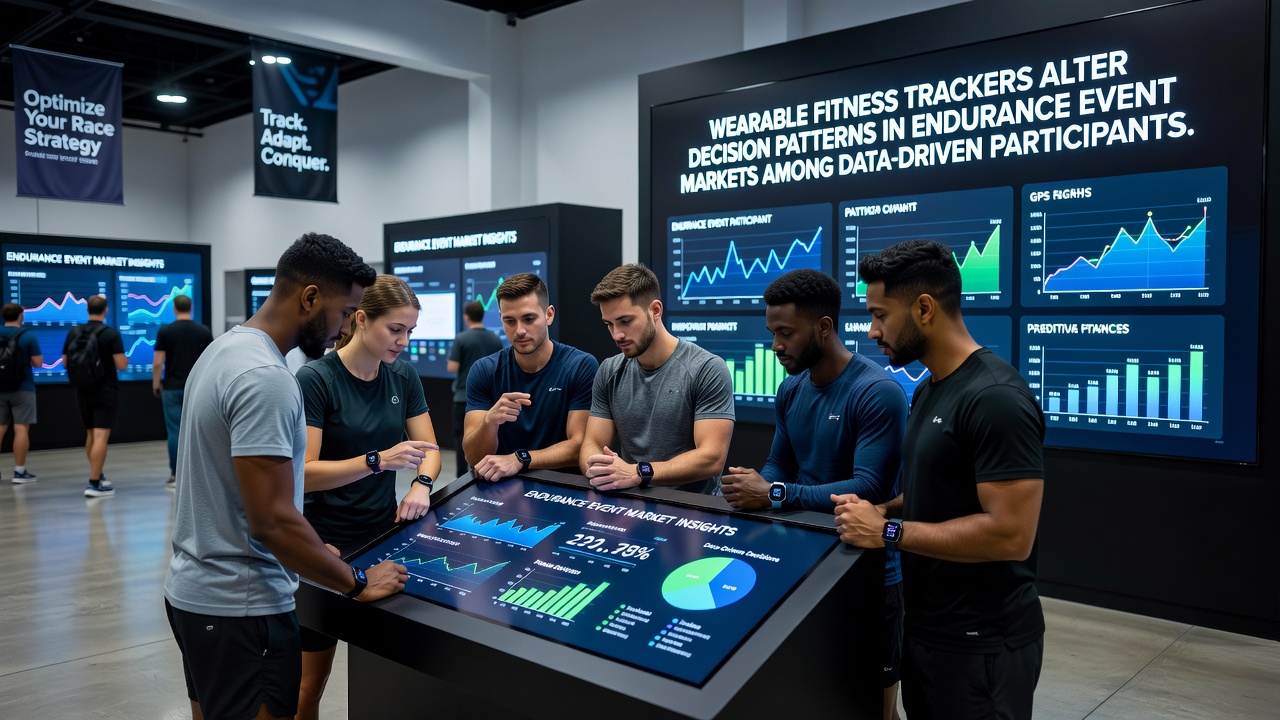
Longer-term datasets compiled by university research groups reveal that consistent wearable users exhibit narrower variance in annual race selections compared with previous years. Instead of scattering entries across disparate distances and terrains, these athletes converge on events whose profiles match their multi-year performance envelopes. The result appears in registration data as steadier fill rates for mid-tier races and more predictable sell-outs for flagship events whose courses reward the physiological profiles most commonly captured by current device algorithms.
European trade associations representing event organizers have noted parallel effects on prize purse allocation decisions, since fields now skew toward competitors whose wearable histories suggest stronger relative performance on specific course types. This concentration does not eliminate broader participation but redistributes it in ways that reward events able to publish detailed course metrics early enough for athletes to integrate them with personal device outputs.
Academic papers examining 2025–2026 seasons further indicate that integration of sleep and readiness scores has amplified these effects. Athletes who previously entered races based primarily on calendar convenience now delay or advance commitments when seven-day rolling recovery indices fall below personal thresholds. Such behavior has produced measurable compression in late-entry windows, with platforms reporting higher volumes of transfers occurring 30 to 45 days before race day rather than the traditional two-week surge.
Conclusion
Evidence accumulated through mid-2026 demonstrates that wearable fitness trackers have become embedded inputs in the decision architecture of endurance event markets for data-oriented participants. Registration timing, event selection and secondary market activity now reflect continuous physiological feedback loops that were unavailable to earlier cohorts. As device capabilities expand and more events publish compatible course datasets, the alignment between personal metrics and market positioning is expected to deepen, producing further measurable adjustments in how athletes allocate their competitive calendars.