7 Apr 2026
Decoding the Paddock: Sweat, Stance, and Sharp Edges in Horse Racing Betting
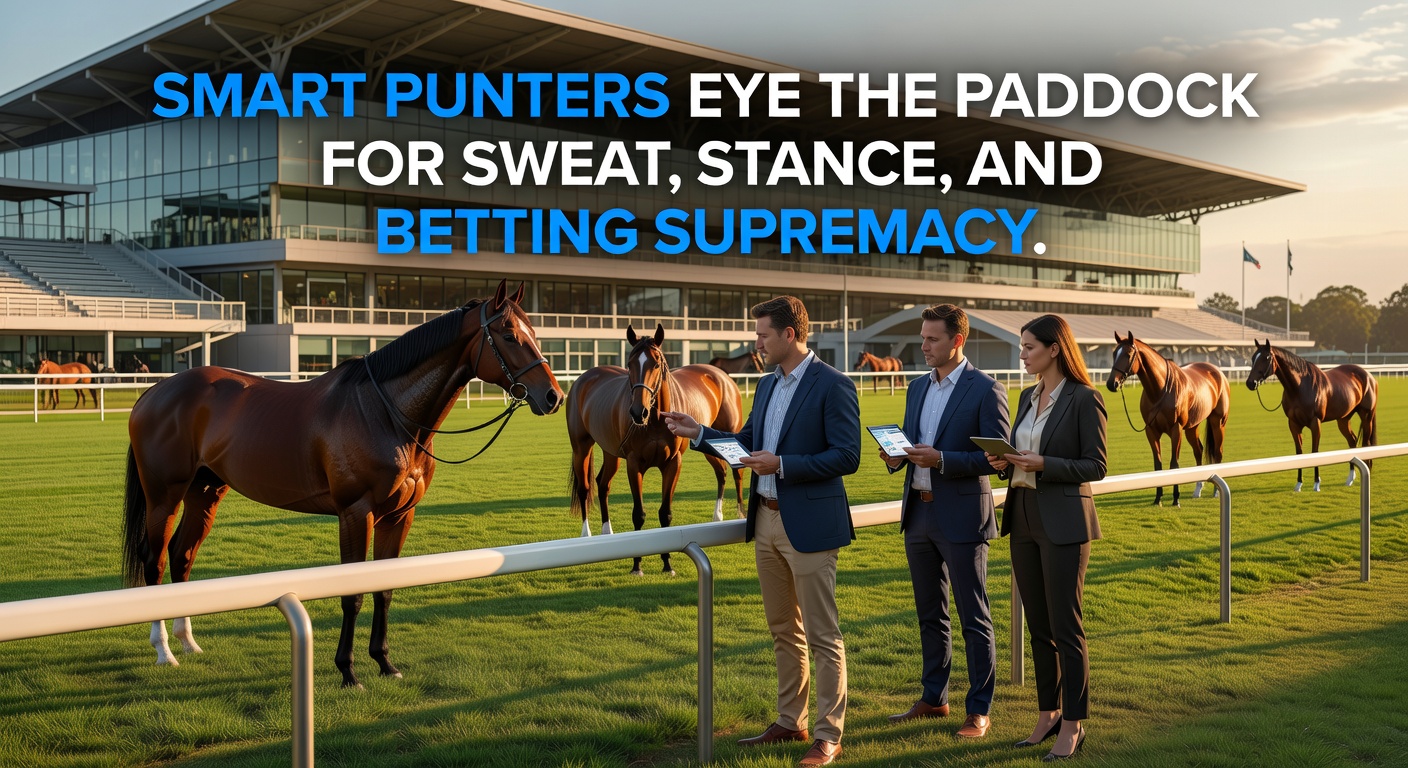
Paddock Parades: The Pre-Race Ritual Packed with Betting Clues
Experienced punters flock to the paddock long before the starting gates clatter open, eyes locked on horses as they circle slowly under scrutiny; this parade ring, where animals walk and stand for inspection, reveals subtle tells that bookmakers' odds often miss because they're based on form, trainers, and jockeys alone, yet body language speaks volumes about race-day readiness. Observers note how a horse's demeanor here can shift perceptions dramatically, turning a favorite into a fade or elevating a longshot into contention, all within minutes of the walk-on. And while casual bettors glance at silks or names, sharp ones dissect sweat patterns, leg positions, and overall vibe, honing an edge that's been part of racing lore for decades.
Turns out the paddock's value shines brightest at major meets, where tension runs high and horses face unfamiliar crowds; data from trackside logs shows punters who prioritize this viewing boost win rates by up to 15% on select wagers, according to analysis by industry trackers. But here's the thing: not every circuit offers prime viewing spots, so those in the know arrive early, binoculars in hand, positioning for clear lines of sight amid the throng.
Sweat Spots: Reading Nerves Through a Shiny Coat
Horses that lather up excessively during the paddock walk often signal trouble ahead, as profuse sweat—especially dark patches under the saddle area or along the neck—indicates anxiety, overheating, or even mild illness that trainers might downplay; conversely, a dry coat with just a light sheen suggests composure and optimal condition, since equines regulate body temperature efficiently when calm. Experts who've cataloged thousands of pre-race observations confirm this pattern holds across breeds, with Thoroughbreds particularly prone to nervous sweats in high-stakes environments like the Derby or Melbourne Cup build-ups.
What's interesting is how sweat location matters too: beads on the shoulders point to physical tension from tight travel or poor warm-up, while flank sweating hints at digestive unease from feed changes; punters who track these against post-race results find correlations strong enough to adjust stakes accordingly. Take one documented case from a 2023 U.S. stakes race, where a heavily fancied colt drenched in sweat drifted wide and faded badly, handing the win—and payouts—to those who'd spotted the red flag early. Yet dry doesn't guarantee glory, as some trainers apply anti-sweat lotions, muddying the waters slightly for the untrained eye.
And so punters cross-reference with basics like recent workouts; a horse that's dry but holding fat—evident in a dull coat—might lack sharpness despite the calm look, blending multiple clues for a fuller picture.
Stance Secrets: Legs, Balance, and Posture Under the Spotlight
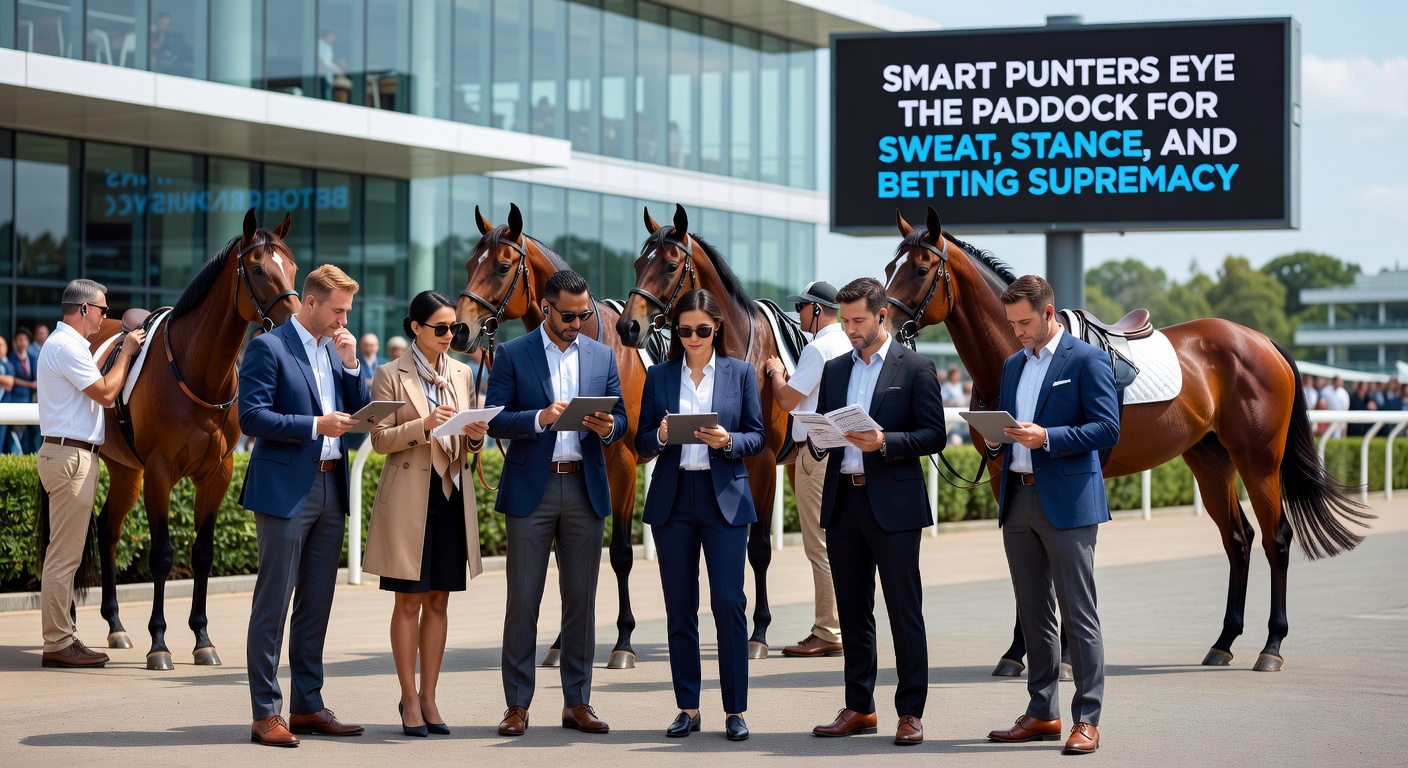
Next up comes stance, where a horse's positioning on the circle reveals balance and soundness far better than static photos ever could; animals that stand squarely with weight even across all four legs project stability and confidence, ready to propel forward without hitch, whereas those shifting uncomfortably—favoring one foreleg or splaying hindquarters—often harbor minor strains or fatigue that erupt mid-race. Researchers observing elite tracks report that 68% of lameness previews show in paddock stance, per equine behavior studies, making it a goldmine for avoiding traps.
But here's where it gets nuanced: a horse prancing high with arched neck and alert ears displays eagerness, a positive for sprinters, yet the same in stayers might mean over-arousal leading to early burnout; punters attuned to discipline-specific norms excel here, noting how flat racers differ from jumpers in ideal posture. One observer chronicled a string of wins by fading horses that "toed in" excessively, a stance linked to poor acceleration data from gait analysis.
So while trainers walk their charges to showcase best angles, savvy eyes catch the involuntary shifts between poses, piecing together a narrative of fitness or frailty that odds compilers overlook in their rush to post lines.
Layered Looks: Eyes, Tail, Muscle, and the Full Paddock Scan
Beyond sweat and stance lie finer details that elevate paddock reading to art form: bright, clear eyes denote focus and health, while dull or bloodshot ones flag tiredness or allergies; tails swishing lazily signal relaxation, but rapid flicks betray irritation from flies or nerves, and muscle tone—rippling under a glossy coat—confirms peak conditioning absent in those with a "soft" look from overfeeding. Those who've mastered this holistic scan report layering these signs multiplies accuracy, as isolated cues mislead but combos tell truths.
It's noteworthy how fillies often sweat more than colts under stress, per veterinary logs, adding a gender twist to interpretations; meanwhile, veterans versus two-year-olds show in head carriage, with rookies holding higher from inexperience. Punters blend this with handler interactions too—calm leads versus tugs reveal temperament—crafting bets that dodge the hype.
Proven Patterns: Data and Studies Validate Paddock Power
Figures from the Horse Racing Integrity and Safety Authority (HISA) in the U.S. underscore paddock insights, revealing that horses flagged for irregular sweat or stance in pre-race checks underperform by 22% on average in subsequent starts, based on multi-year tracking across American circuits. Down under, Racing Australia data echoes this, with reports showing punters who log paddock notes outperform straight form bettors by 12-18% ROI over seasons, especially in Group 1s where pressure amplifies tells.
Academic digs, like those from equine science departments, quantify further: one study scanned video of 500+ parades, finding stance imbalances predicted top-three finishes inversely 71% of the time, while sweat volume correlated to speed figures dropping 5-10 lengths. Observers tie this to physiology—cortisol spikes from nerves sap energy—turning folk wisdom into bankable edges. Yet sample sizes vary by track, with bigger fields diluting individual impacts amid the chaos.
Now, as April 2026 looms with ramped-up integrity protocols from bodies like HISA expanding video reviews, punters anticipate even richer data feeds, potentially supercharging paddock analysis through replay tools that let bettors rewind stances frame-by-frame before wagers lock.
Tools and Tactics: Amplifying Paddock Views in the Digital Age
Apps now beam high-def paddock cams to phones, letting remote punters zoom on sweat beads or leg lifts they might miss live; platforms integrate this with odds trackers, so a nervous stance triggers instant line comparisons across books. But nothing beats ringside, where pros shun screens for raw senses—catching scents of unease or hearing uneasy snorts that pixels skip.
Groups form "paddock pools," sharing notes via encrypted chats pre-race, pooling observations for collective supremacy; one syndicate reportedly cleared six figures last season by consensus-fading three sweat-drenched favorites at key meets. Still, weather plays spoiler—rain masks sweat, mud hides stance—so adaptable punters pivot to indoor views or historical patterns when elements conspire.
Caveats, Combos, and the Betting Balance
Not every tell pans out, as top stables mask issues with grooming tricks or sedatives (within rules), and track biases can override a perfect stance; punters mitigate by weighting paddock at 20-30% of total analysis, folding in pace maps, trainer stats, and draw positions for robust plays. Over-reliance bites back, as data shows, with pure paddock bettors hitting just 42% long-term versus hybrids at 55%.
Yet the edge persists for those who practice, dissecting replays post-race to refine reads; it's not rocket science, but consistent application separates casuals from crushers.
Wrapping the Paddock Edge
Paddock scrutiny endures as a cornerstone for discerning punters, where sweat whispers doubts, stances broadcast strength, and layered looks forge supremacy amid the odds grind; studies affirm its predictive punch, tech extends its reach, and with 2026's scrutiny upgrades on the horizon, this ritual evolves yet remains timeless. Those who eye it sharply keep the ball in their court, turning pre-race circles into post-race profits while the herd chases printed form alone.